21 CIVL Faculty Recognised in the 2026 World’s Top 2% Scientists List
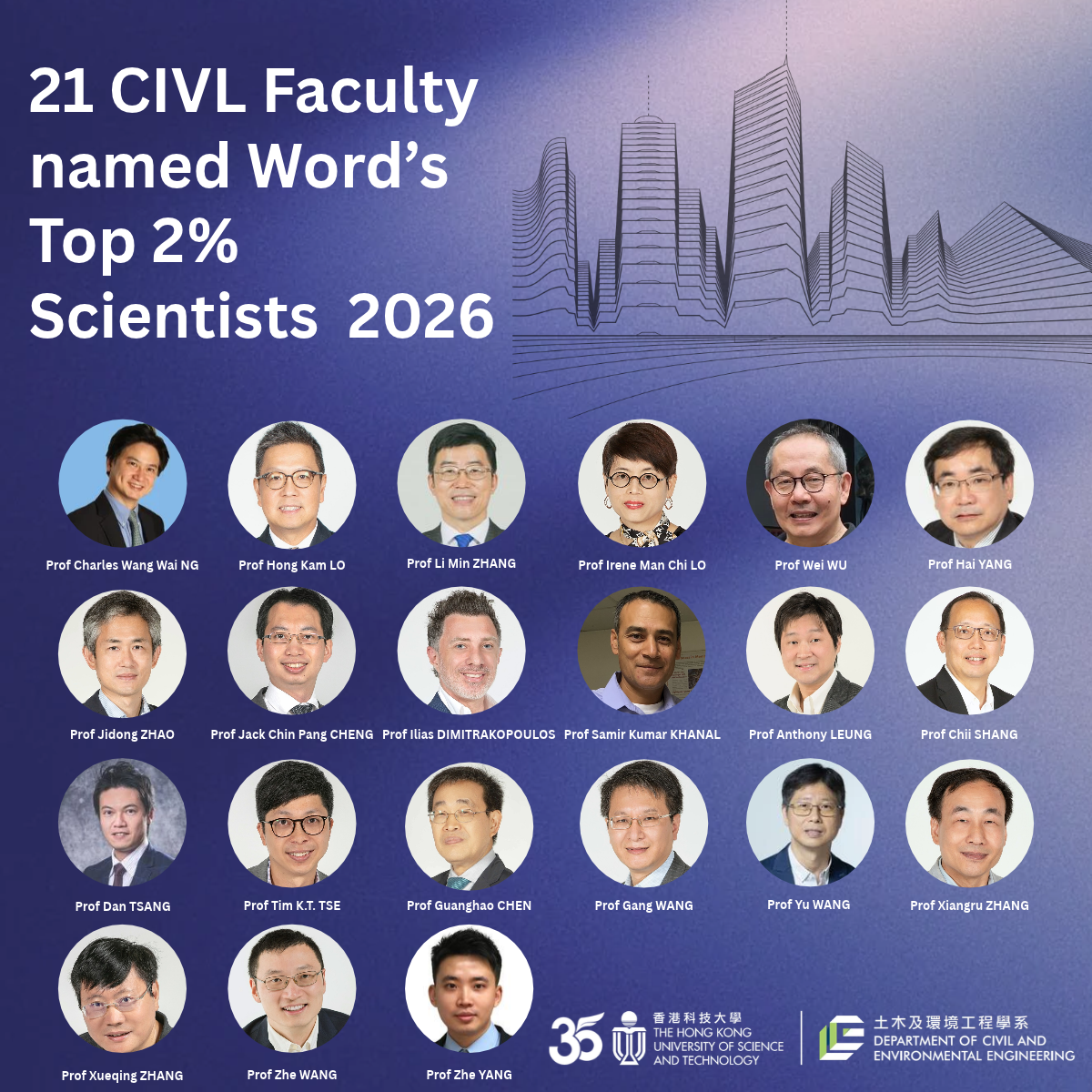
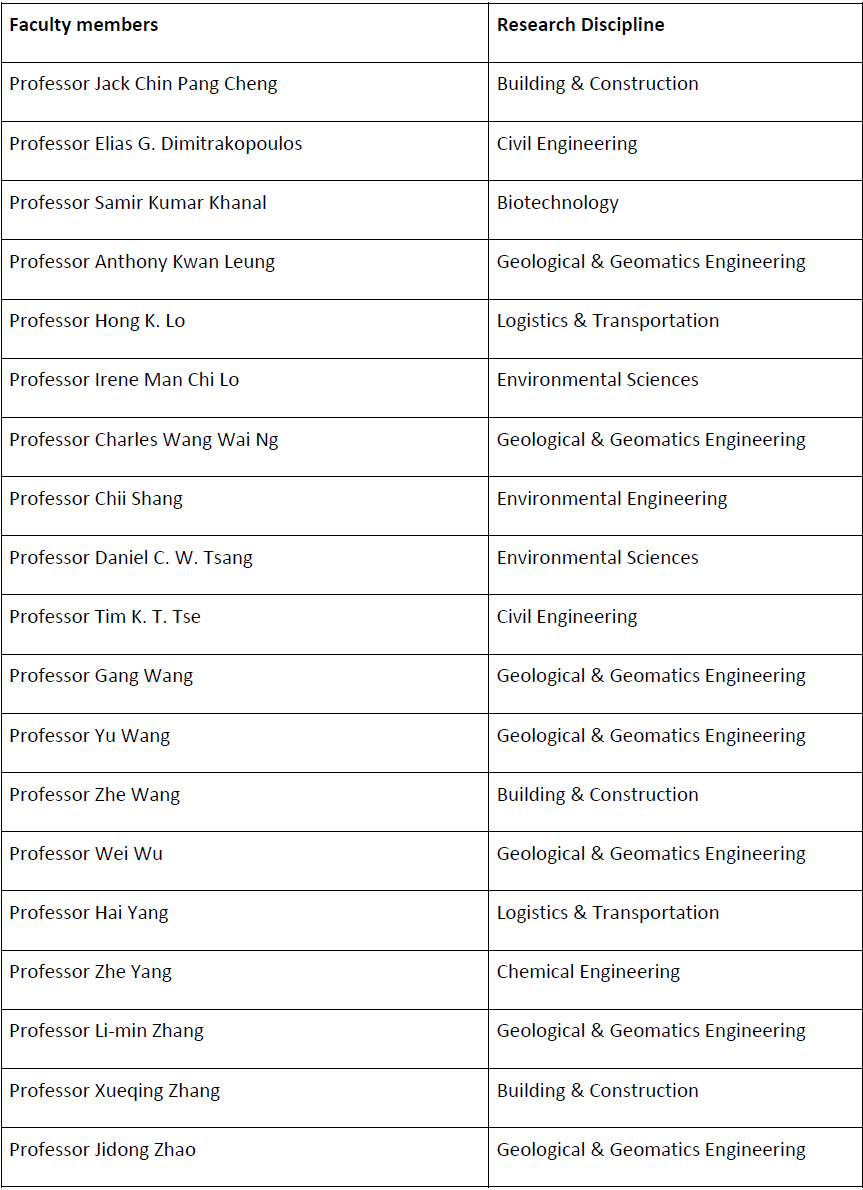
The Department of Civil and Environmental Engineering is proud to share that twenty-one of its faculty members have been recognised in the 2026 World’s Top 2% Scientists List, compiled by Stanford University and Elsevier.
This prestigious recognition reflects the faculty’ outstanding research contributions, sustained scholarly impact and international influence across a broad range of disciplines, including Civil Engineering, Environmental Engineering, Geological and Geomatics Engineering, Biotechnology, Logistics and Transportation, Environmental Sciences, and Chemical Engineering.
The following faculty achieved particularly notable rankings in their respective research disciplines:
● Professor Charles Ng Wang-wai ranked first for Single-Year Impact and second for Career-Long Impact in Geological and Geomatics Engineering.
● Professor Hai Yang ranked second in both Single-Year and Career-Long Impact in Logistics and Transportation.
● Professor Jidong Zhao ranked fifth in both Single-Year and Career-Long Impact in Geological and Geomatics Engineering.
● Professor Samir Kumar Khanal ranked first for Single-Year Impact and third for Career-Long Impact in Biotechnology.
● Professor Daniel C. W. Tsang Ranked seventh in both Single-Year and Career- Long Impact in Environmental Sciences.
These faculty hold significant academic and leadership positions within the Department of Civil and Environmental Engineering. Their research spans a wide range of highly impactful areas, including Operations Research, Applied Mathematics, Environmental Engineering, Optoelectronics and Photonics, as well as Strategic, Defence and Security Studies.
About the World’s Top 2% Scientists List
The World’s Top 2% Scientists database presents researchers in two categories:
1.Career-Long Impact, which assesses cumulative citation metrics across a researcher’s entire academic career up to the end of 2025.
2.Single-Year Impact. which assesses a researcher’s citations and scholarly influence received during the 2025 calendar year.
Many of the Department’s faculty members are featured in these lists.
Career-Long Impact List (alphabetised by researcher surname)
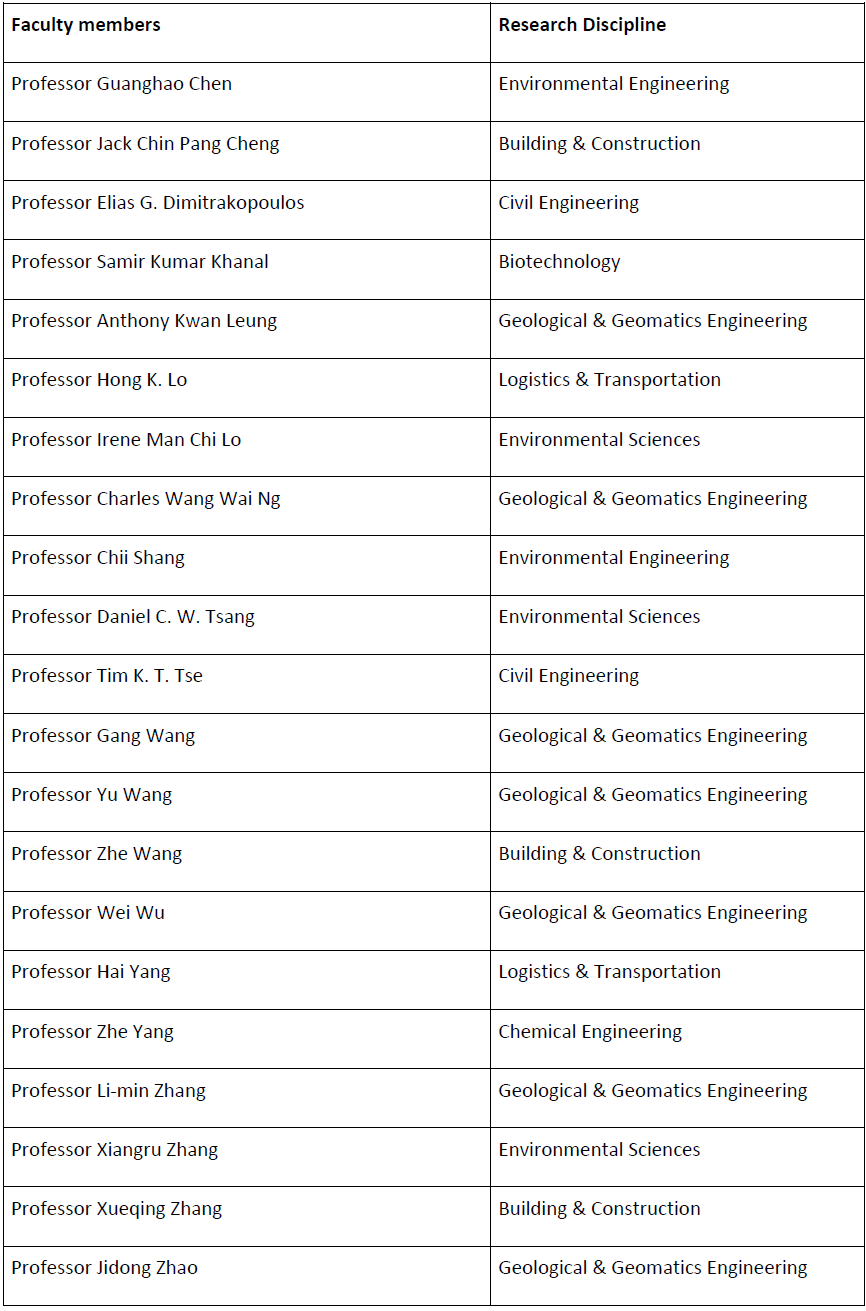
Single-Year Impact List (alphabetised by researcher surname)